

Between 1 and 31 July
Nave Una
From 12 noon to 9 pm, Tuesday to Sunday
Between 1 and 31 July, Intermediae will extend the opening hours of Nave Una to allow it to operate as a climate shelter, continuing the initiative successfully launched in 2025 which over 11,000 people enjoyed. Driven by the urgency of the climate crisis and the effects of high temperatures, Nave Una will once again become a place in which to gather, take shelter and rest, in addition to hosting a varied cultural programme. In this “living room”, culture will be experienced as a physical, creative and intellectual refuge against the elements.
The idea of home connects the concept of refuge with well-being rather than danger, encouraging exploration of a place where inspiring and critical forms of coexistence and exchange are currently being tested, based on care in its broadest sense—from friendship, family and the collective to flatmates and neighbours. Building on this idea, the space has been transformed into Un cuarto de estar para la ciudad (A Living Room for the City), a space and programme in which we can take refuge through the kinds of cultural practices we might carry out in our own living room, as well as the things we would wish to do and plan if we could explore new, as of yet undiscovered, facets of co-usage. With a reflection on that space between the intimate/private and the public, leading us towards a space of the commons articulated through culture.
In this edition of Un cuarto de estar para la ciudad (A Living Room for the City), the perspective of community and dwelling gains momentum. What communities inhabit Intermediae and how do new ways of dwelling and interconnecting arise in a living room? What kind of community inhabits and takes shape within a cultural refuge? What communities develop around shared moments of listening, writing, cinema and reading? What ideas of kindness and care enable hospitality in a place? What moments and situations bring us together as a collective, as a temporary community in motion and in the process of becoming?
The search for a common ground between the public and the private, sound and performativity, creation and observation, action and presence, forms a landscape that overflows the spatial framework. The need to seek shelter from the heat is repurposed as a cultural mechanism capable of triggering affective, temporary and constantly moving communities, rather than self-referential ones. This intuition leads us to focus on creating a space and time where stillness, play, art, the unexpected, the urban, literature, music, and encounter transform us. We become a community evolving within a more-than-human framework, intertwined with the plant world which also inhabits the living room and forms part of the "we".
From a community perspective, Un cuarto de estar invites artists and collectives whose work is defined by openness and co-production, involving other people—a crowd that dances, writes and listens, extending the notion of agency to the community that brings it to life and gives it meaning. This perspective translates directly to the space itself, which finds its purpose in the communal 'other' and offers endless possibilities for a public that is invited to bring it to completion. Moving beyond the boundaries of a fixed conception of community, the space opens up to a wealth of practices and cultures, embracing the plural nature of the communities that inhabit or experience it.
As part of these communities and bodies in alliance are those emerging from active projects in Usera and Arganzuela. Yuan iuan will share, in an open studio format, materials and conversations around the project Where is my friends______?. Gada 7 will present, together with the protagonists of the process, the final piece and showcase Desconstrucción de las violencias a través del cuerpo (Deconstruction of Violence Through the Body), followed by a youth community who will design laboratories and routes to prevent and raise awareness of climate change. Equally prominent is Spasticus Artisticus, a community linked to Matadero Madrid that brings together disabled and neurodivergent individuals, people with mental health conditions and those living with chronic illness, which has worked closely with the centre over the course of this year. Cuarto de estar will also embrace an idea of community that includes both the living and those who are no longer with us, bringing them all together in a collaborative writing space hosted by Inés Plasencia and Las Lindas Pobres. A community that listens, reads, dances and composes music will connect with Josephine’s Soundscapes, Marco Padiya, Marta Echaves and Natalia Piñuel. To conclude the programme, a community in motion will guide us on a night-time sound drift around the river—one of the city’s heritage sites and the best refuge from the heat—led by Iren Márquez Dos Santos and Euyín Eugene.
The space features plants on loan from the Plant Production Unit of Viveros Estufas del Retiro, attached to Madrid City Council’s Sub-Directorate General for Parks and Nurseries, which are cared for by urban botany expert Elena Páez (Planthae).
NOTE: On days when the space hosts activities, sound checks may take place which, occasionally, might disrupt the tranquillity of the area. We apologise for any inconvenience this may cause.
PROGRAMME OF ACTIVITIES:
· Estudio abierto (Open Studio)
Yuan iuan
From 30 June to 3 July at Terrario in Nave Una, from 12 noon to 5pm
· Construyendo comunidad desde la autodefensa. Encuentro popular de deportes de contacto (Building Community Through Self-Defence: A Community Contact Sports Event)
Gada 7, together with Sergio de Isidro Hontana (Guantes Manchados) and Raquel Gómez Rodríguez (Asociación Gata Tramuntana)
Sunday 5 July at Nave Una, 6.30pm
· An Afternoon in Un cuarto de estar para la ciudad (A Living Room for the City), hosted by Spasticus Artisticus
Thursday 9 July
>Outcomes, with a presentation where possible
Presentation of the publication Sintomatologías: aprendizajes espásticos (Symptomatologies: Spastic Learnings) by Elena Prous, with Vito Gil-delgado, Ana Castro and Maite Barrera, in collaboration with Matadero Madrid’s Centro de Residencias Artísticas (Centre for Artists in Residence)
5.30pm
>Spasticus Artisticus
Presentation of the project with the organising group and featuring Gustavo A. Díaz and Blanki Izuzquiza
6.15pm
>Ecstatic Dance
Session with Izaskun Barbárie
Starting at 6.45pm
· Madrid 360 Joven
Organised by Madrid City Council’s Department of Youth
Friday 10 July, from 4pm to 9pm
· Comunidades emocionales. Escritura con quienes no están (Emotional Communities: Writing with Those Who Are No Longer with Us)
Inés Plasencia Camps and Las Lindas Pobres
Wednesday 15 July at 7pm
· Tardes de escucha y refugio (Afternoons of Listening and Refuge)
Curated by Campos de Marte + Performance by Marco Padiya, with participation by Marta Echaves (Caja Negra) and Natalia Piñuel
Wednesday 22 and Thursday 23 July at 7pm
· Transferencia (Transfer)
Euyín Eugene and Iren Márquez Dos Santos
Thursday 30 July at 8.30pm

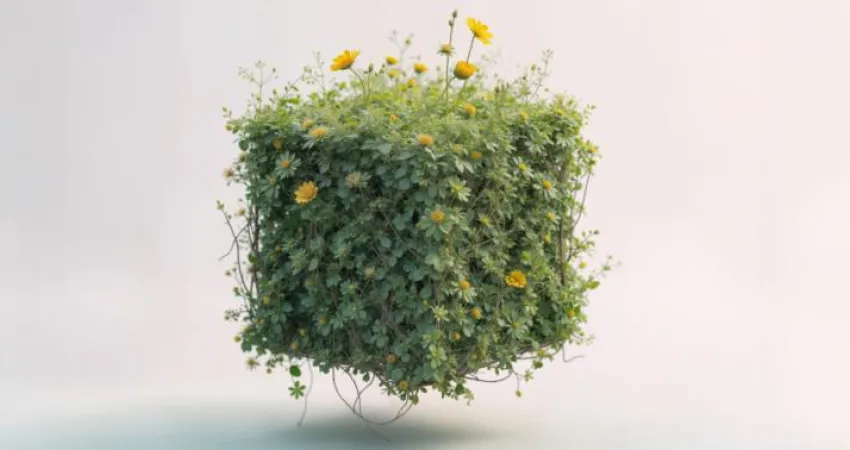
In April 2026, many of the spaces in Matadero will host the second edition of Biophest Festival, which brings together biophilia (our innate love of nature), thinking and the arts.
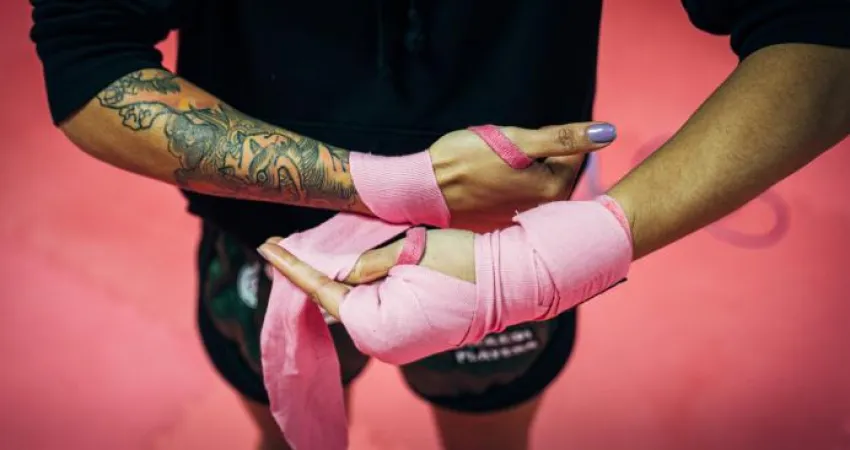
The title Timing alludes to one of the basic principles of Muay Thai, also known as Thai boxing or the Art of Eight Limbs. This martial art from Thailand is a full-contact
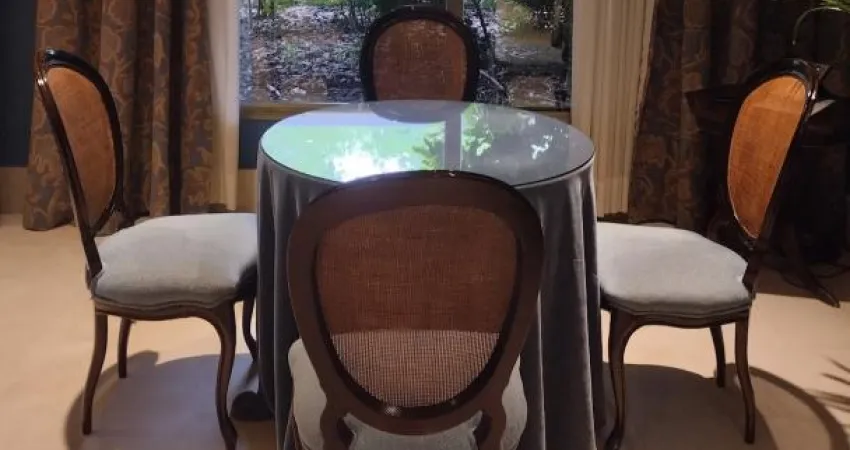
Grief has not one but many timeframes; it has “states” rather than “stages”, which come and go in an absence that must be accepted as final, not something to get past. Mourning
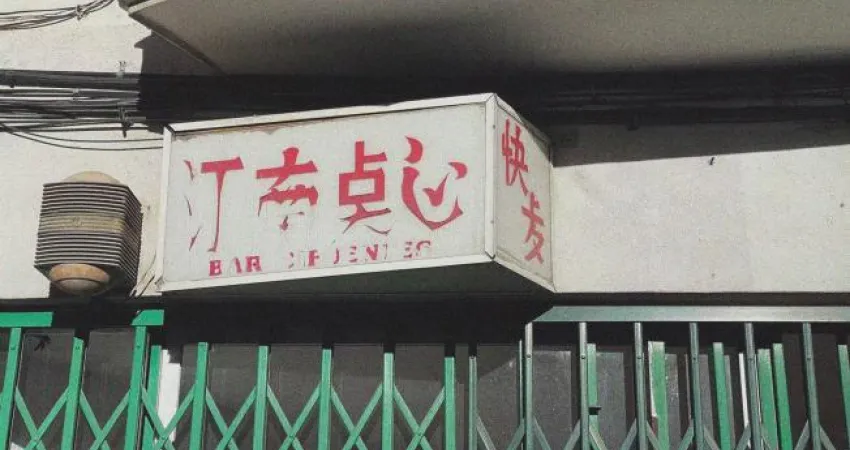
Twenty years ago, almost my entire family lived in Usera. My father owned a game room where people from the Chinese community came to play mahjong and poker.
I spent most of

 Intermediae